Go back

Whether you’re staying close to home or heading off on an adventure this summer, we’d love to share a few books and talks that have profoundly shaped our thinking about education. These ideas challenged many of our assumptions and ultimately inspired us to take a different path from the traditional model of schooling.
If you’re curious about the philosophy behind Lumos School, we think you’ll enjoy exploring some of these authors and thinkers over the summer.
Book #1: Range by David Epstein
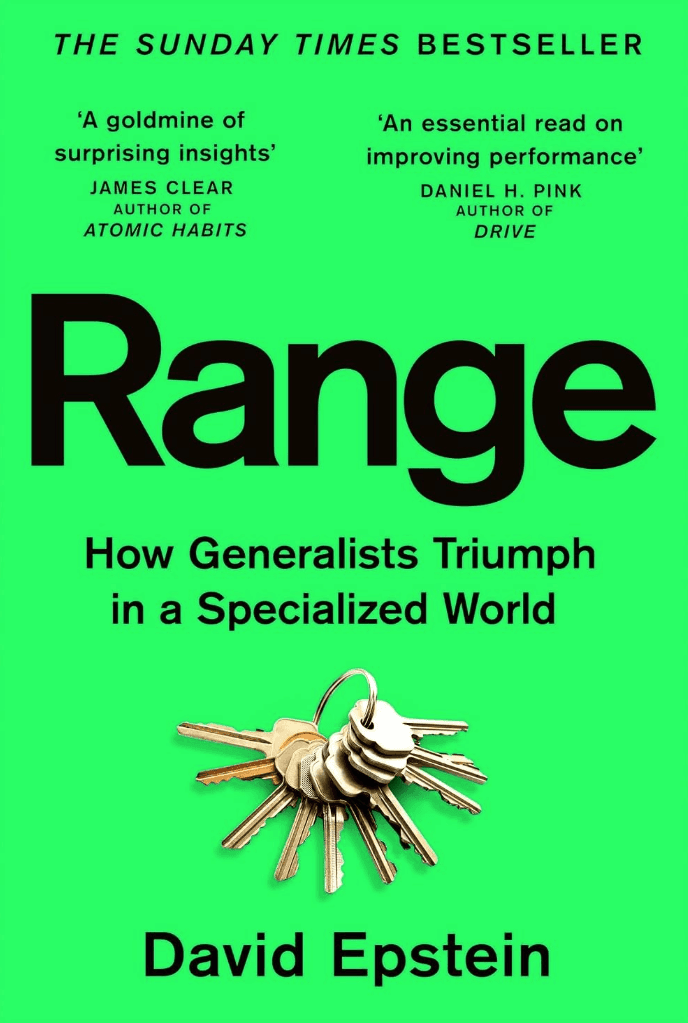
Range is a fascinating book that challenges the idea that children need to specialize early. Instead, David Epstein shows that exploring a wide variety of interests, experiences, and ways of thinking often leads to greater creativity, adaptability, and long term success. It’s an insightful read for anyone wondering how to best prepare children for a rapidly changing world and has strongly influenced our educational philosophy at Lumos School.
Book #2: The Art of Learning by Josh Waitzkin
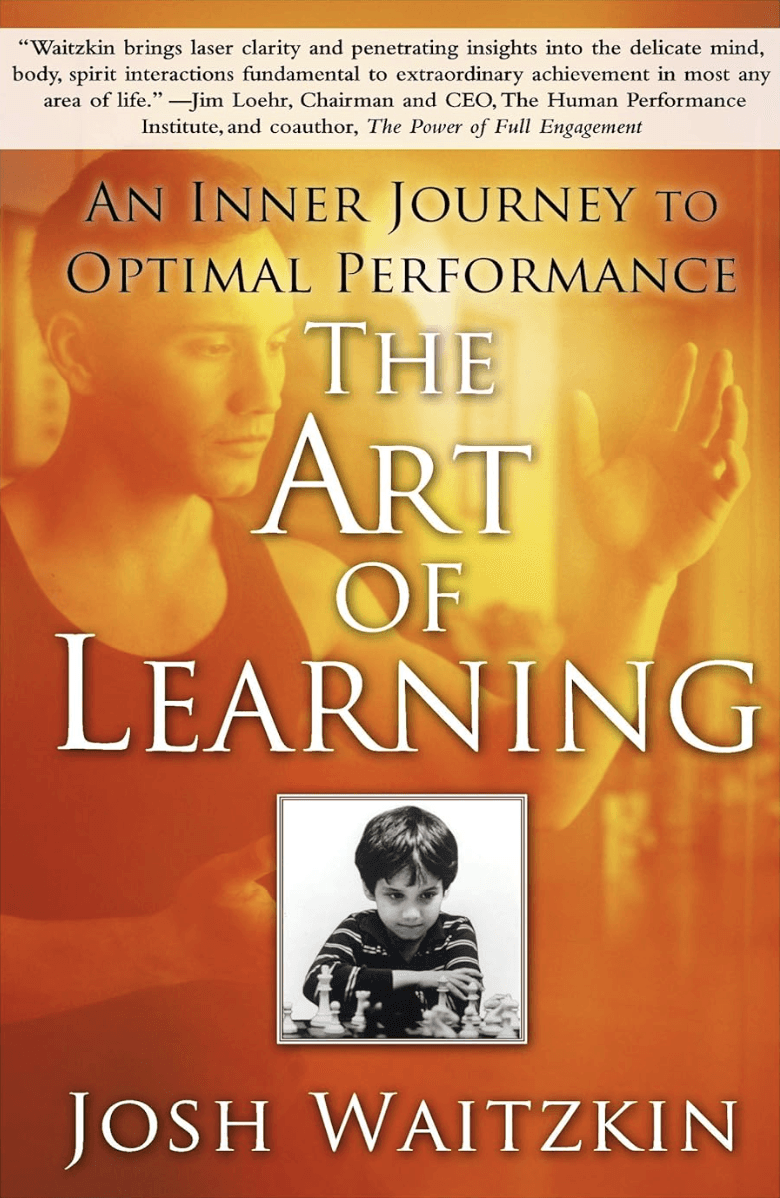
If you read just one book this summer, we’d highly recommend The Art of Learning. Josh Waitzkin shares what he learned from becoming both a chess champion and a world champion martial artist, showing that real learning comes from embracing challenges, learning from mistakes, and continually improving. It’s an inspiring book that has deeply influenced how we think about learning at Lumos School.
A quote to ponder
“Every maker of video games knows something that the makers of school curriculum don't seem to understand. You'll never see a video game being advertised as being easy. Kids who do not like school will tell you it's not because it's too hard. It's because it's--boring”
― Seymour Papert
Video: Why we ask students to try before we teach
One of the core learning techniques we use at Lumos School is what learning science calls productive struggle. Rather than giving students answers too quickly, we intentionally create opportunities for them to wrestle with challenging problems, make mistakes, test ideas, and discover solutions for themselves. This kind of effortful learning leads to deeper understanding, stronger retention, greater resilience, and more transferable knowledge. To better understand the science behind productive struggle and the research supporting it, we highly recommend watching the video above.
Video: Why we make learning effortful so it sticks
Another important principle that shapes learning at Lumos School is the concept of desirable difficulties. Learning tends to be more durable when it requires effort. Techniques such as spaced practice, retrieval practice, interleaving different topics, and varying the conditions under which students learn can make learning feel more challenging in the moment, but they lead to stronger understanding, better long term retention, and greater ability to apply knowledge in new situations. To learn more about the science behind desirable difficulties and the evidence supporting this approach, we recommend watching the video above.