Go back
Science Spotlight
By Teacher Danielle
We began science this week by exploring: What is truth and how can we find it?
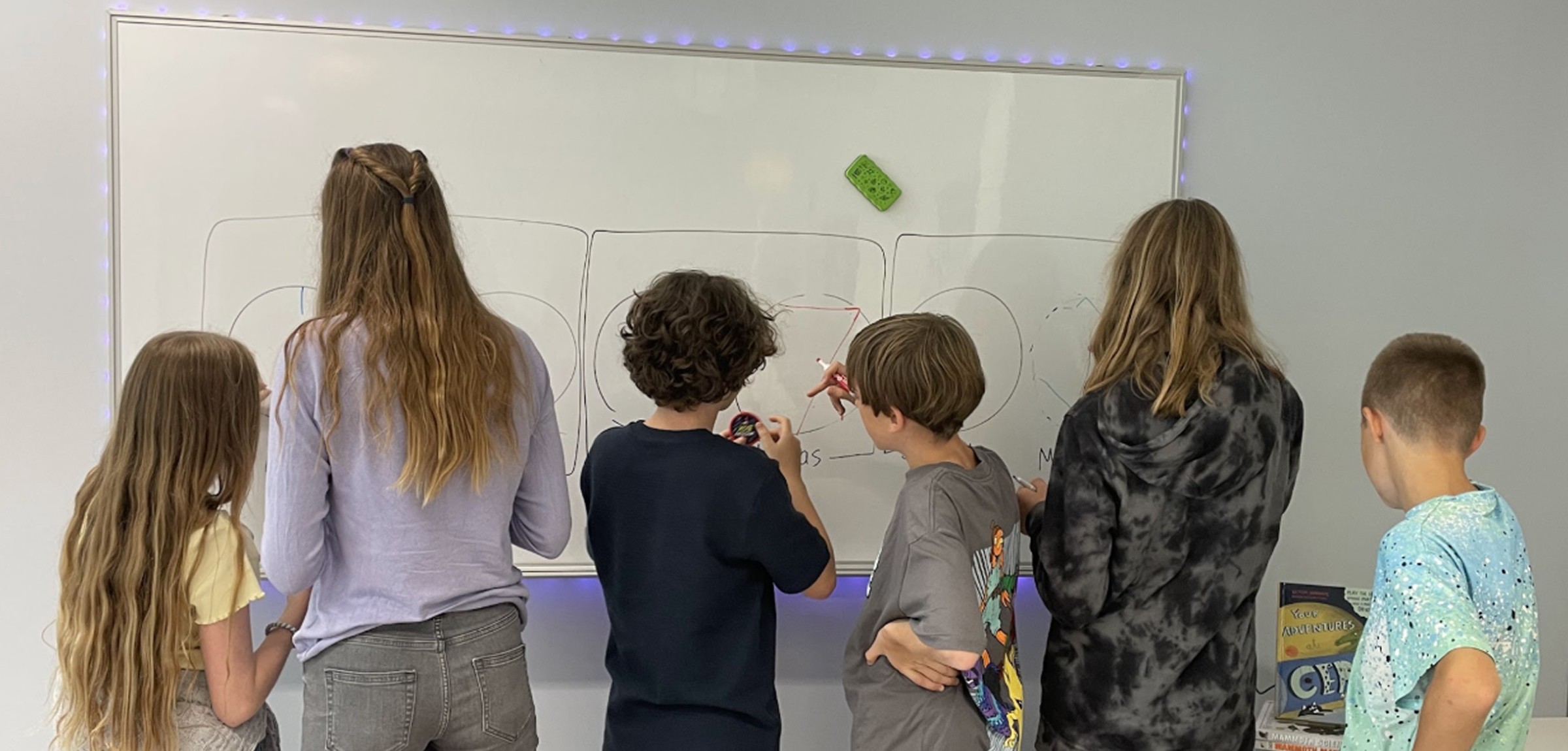
Photo: Lumos students map what we can know, what we think we know, and how we tell the difference.
In a world of competing claims and new technologies, science helps children ask good questions, judge what to trust and change their minds when better evidence appears, rather than simply accept what they’re told.
Start with not knowing
Students received mystery boxes that we 3D printed, then permanently sealed. They observed, asked questions and proposed hypotheses: explanations they could test. They could shake, move and listen to their boxes before drawing diagrams of what they thought was inside.

Photo: Lumos learners listen for clues about what’s inside their sealed mystery box.
The uncertainty was deliberate. Science often begins with curiosity and the question, “How could we find out?”
Invite challenge
For peer review, groups swapped boxes and tested one another’s explanations. They looked for evidence that supported or challenged each idea and suggested changes. When their boxes returned, students decided whether to revise their original thinking.
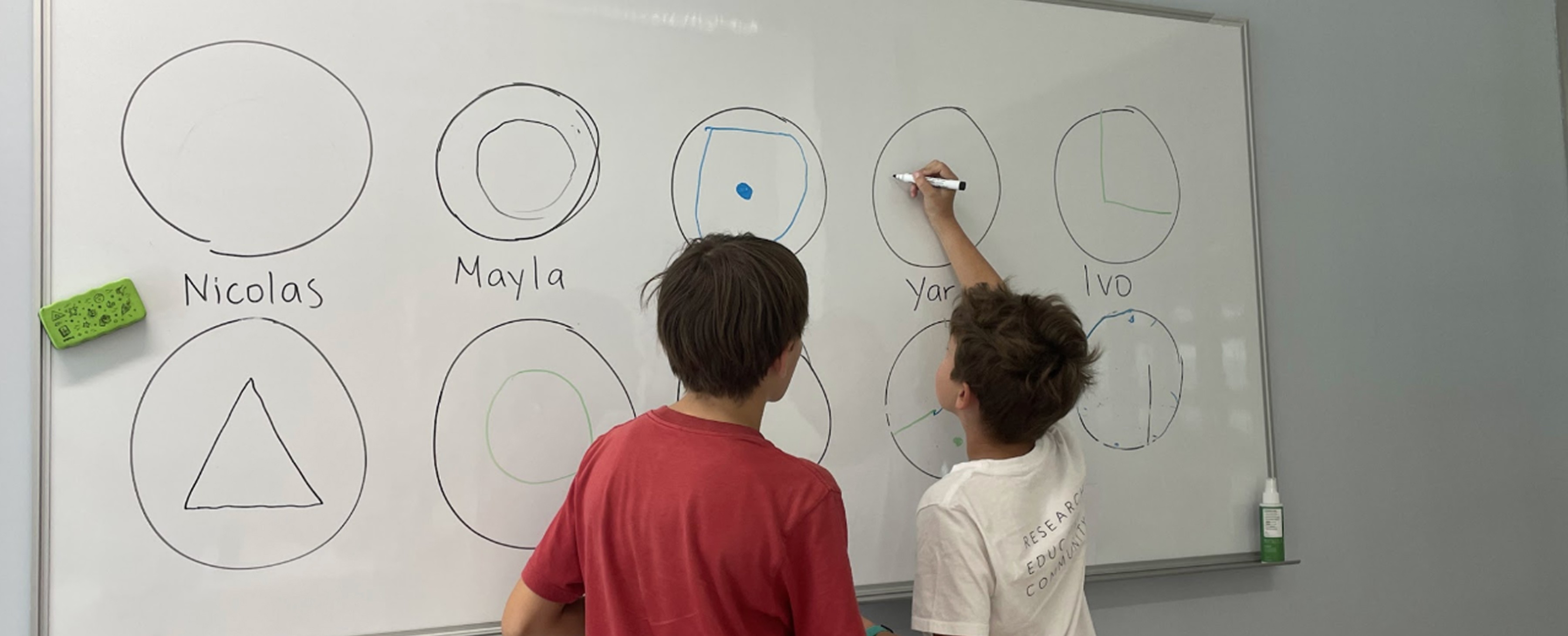
Photo: Lumos students share their mystery box diagrams, inviting classmates to question and test their ideas.
Ideas aren’t protected just because they’re ours. Good scientists invite challenge, compare interpretations and change their minds when the evidence gives them reason to.
The boxes stay closed
The boxes are permanently sealed. We never opened them or revealed the answer. That was central to the lesson.
Scientists cannot always look inside and check. To investigate the Earth’s interior, atoms or the deep past, they gather evidence, test competing explanations and decide which model is best supported.
New evidence can strengthen an explanation, weaken it or change it entirely. Science aims for increasingly reliable claims, not absolute certainty.
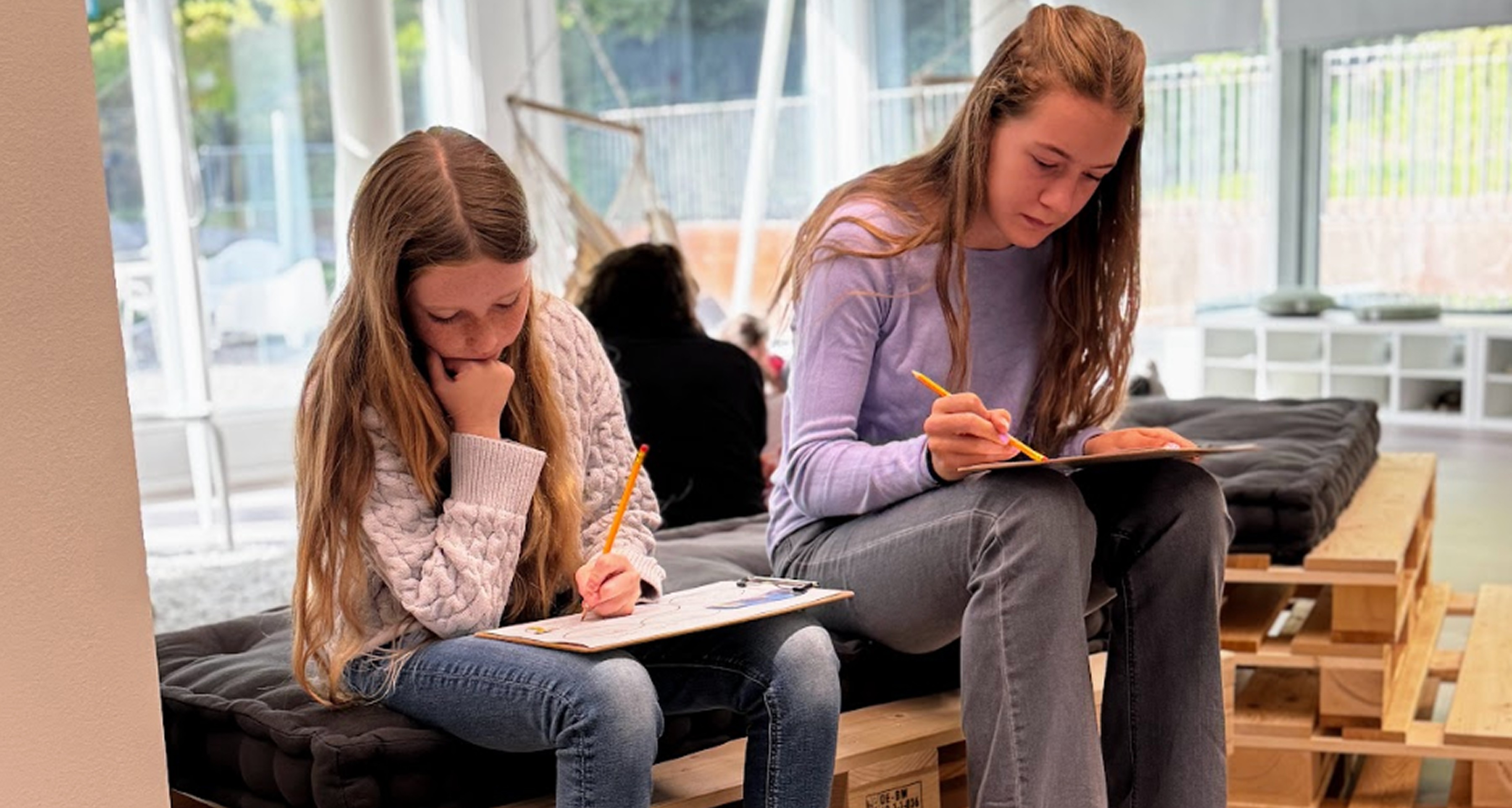 |
Photo: With the boxes still sealed, Lumos students write down their best explanations and the evidence behind them.
This is the classroom culture we want: students questioning boldly, challenging one another thoughtfully and supporting their ideas with evidence, while remaining willing to revise their views.
They won’t just learn what scientists know. They’ll experience how that knowledge is built.